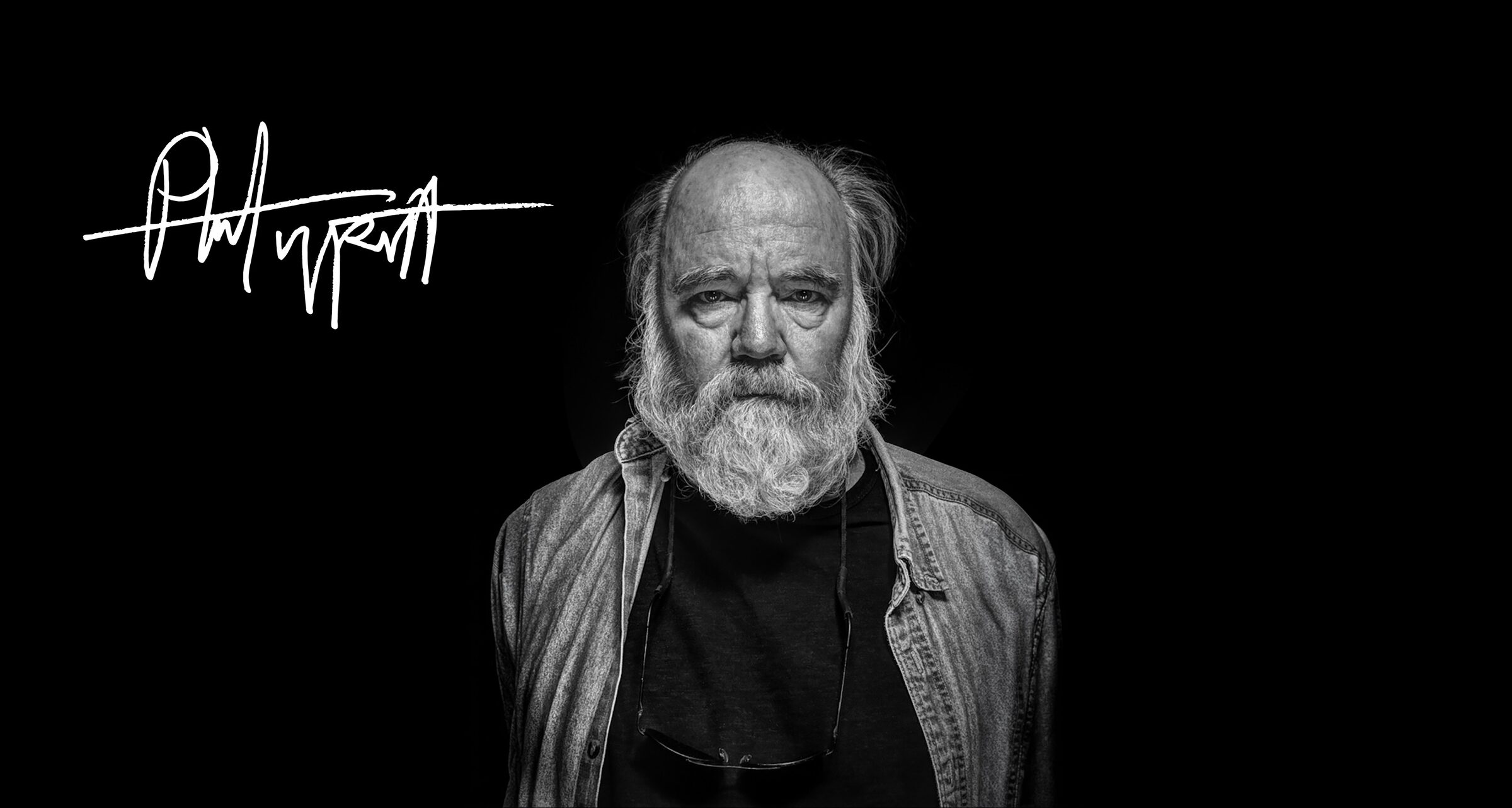
Phil Tippett photographed in black and white against a black background, his signature written beside him.

Frame by Frame

From the Star Wars holo-chess to ED-209, the Jurassic Park dinosaurs and Mad God: five decades of monsters, made by hand and moved one frame at a time.

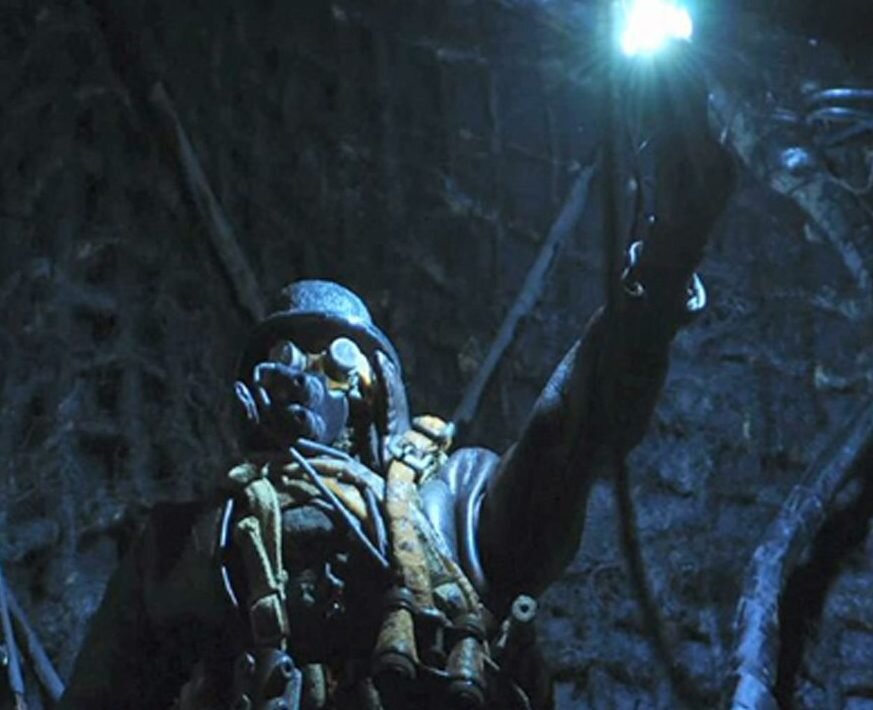
Mad God trailer poster frame: a gas-masked figure descends into the dark, lit by a single lamp.

Mad God · trailer

PL 02 · Mad God trailer · © Tippett StudioWatch on YouTube (opens YouTube)

It started with a skeleton

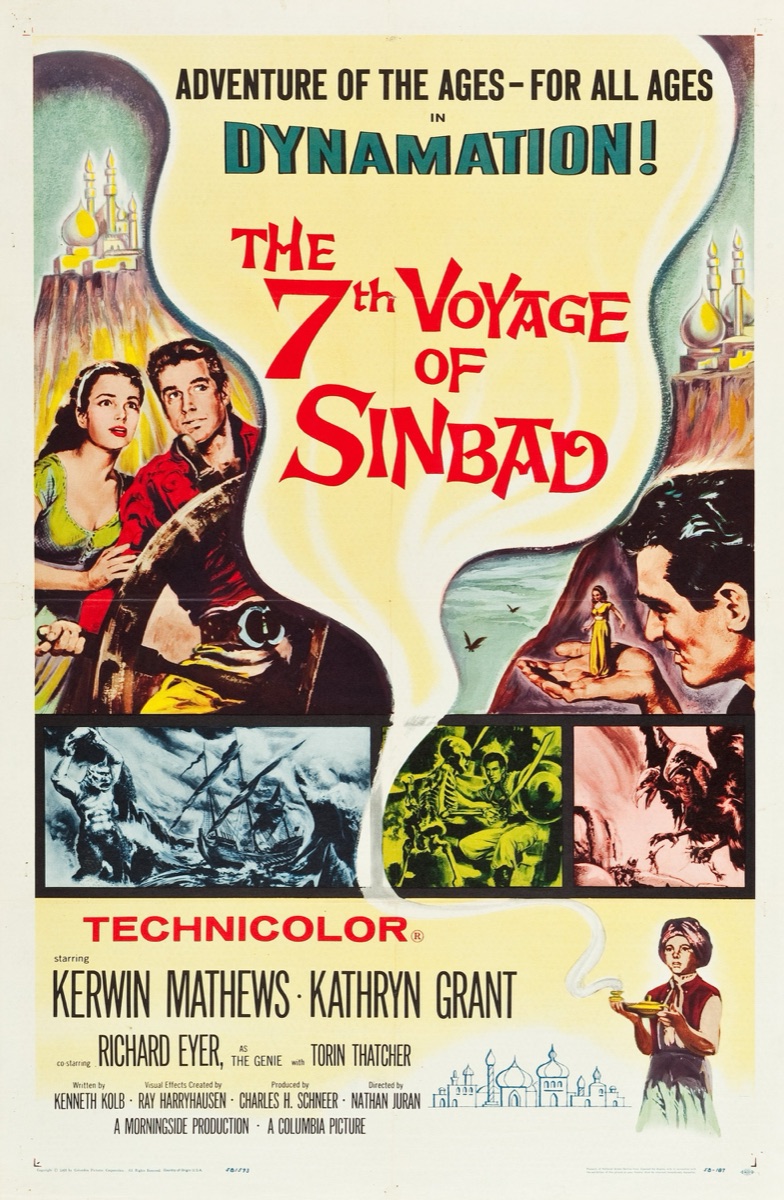
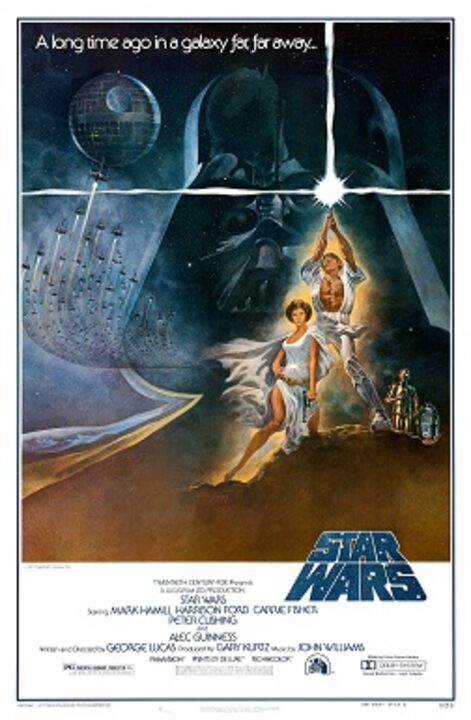
Born in Berkeley in 1951, Phil Tippett saw Ray Harryhausen's The 7th Voyage of Sinbad at seven and taught himself stop-motion at home. He took an art degree at UC Irvine in 1974. A year later George Lucas hired him to animate a chess game for Star Wars.
  1. 1951Born in Berkeley, California
  2. 1958Sees Sinbad, aged seven, and starts animating at home
  3. 1974BA in Art, UC Irvine
  4. 1975Hired by George Lucas for Star Wars
Read his life
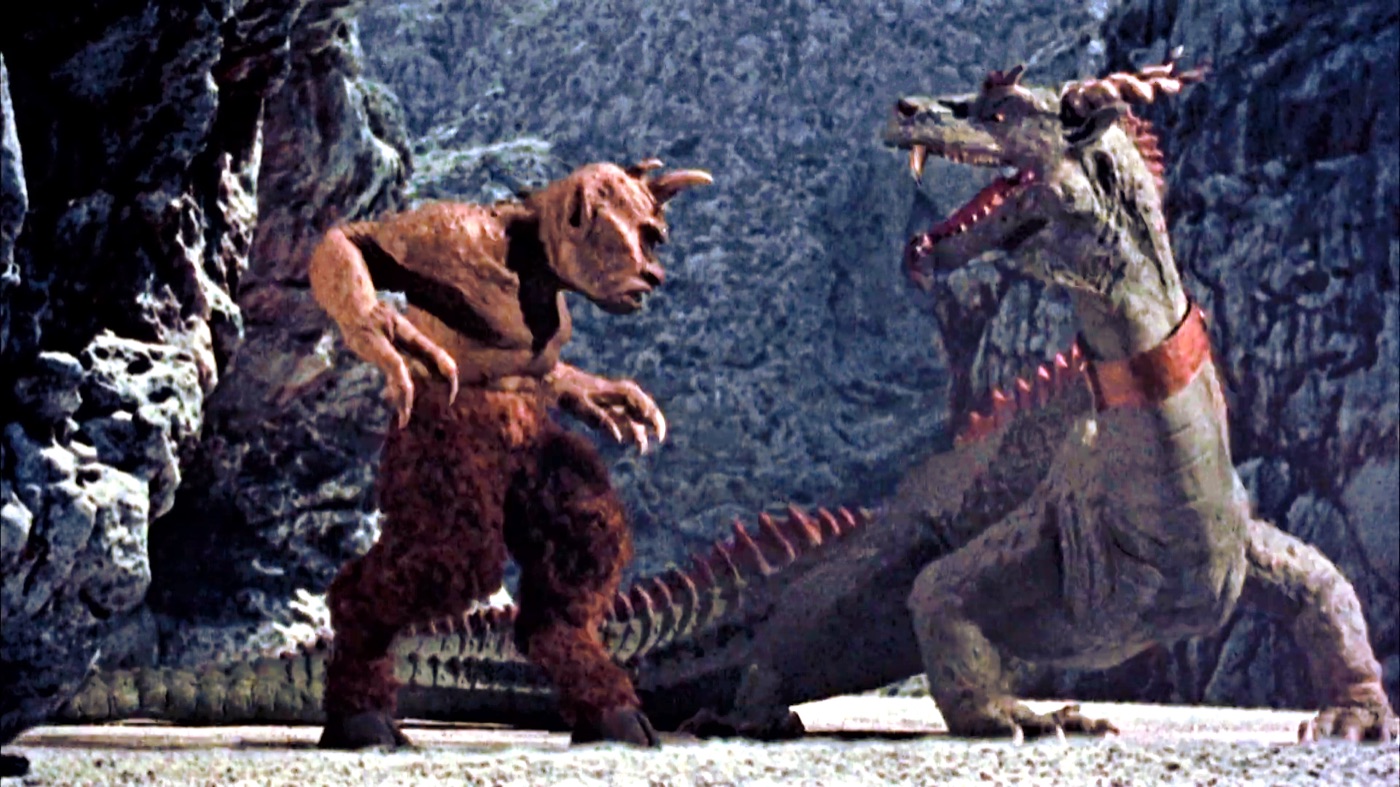
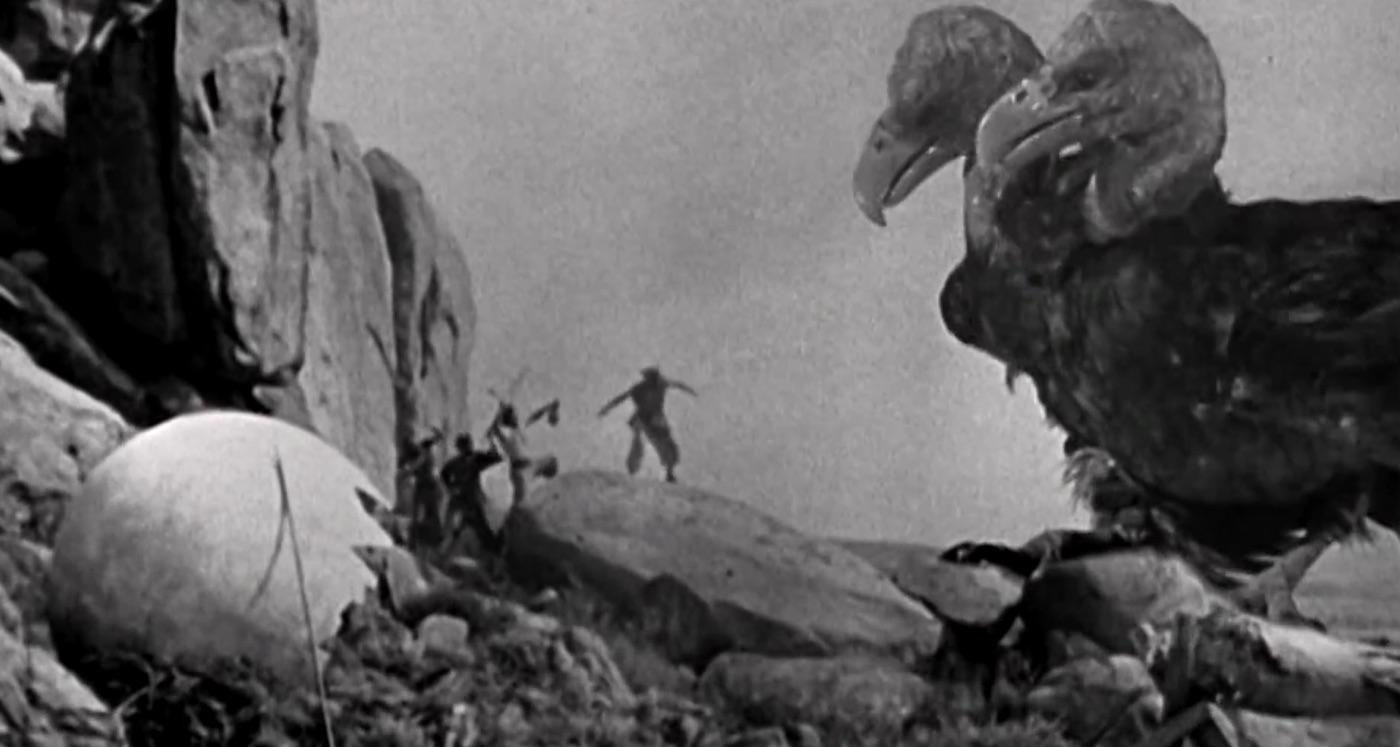
Harryhausen's Cyclops squares up to a chained dragon in a rocky canyon, both stop-motion models.Black-and-white frame: the two-headed Roc towers over Sinbad's crew beside its cracked egg.
Theatrical poster for The 7th Voyage of Sinbad, 1958: Sinbad and Princess Parisa beneath the title, with panels of the Cyclops, the skeleton duel and the Roc, and the credit 'Visual effects created by Ray Harryhausen'.
The skeleton duel that hooked a seven-year-old sits in the poster's centre panel. The trailer frames show the Cyclops meeting the dragon and the two-headed Roc guarding its egg: every move animated by hand, one frame at a time.PL 03–05 · The 7th Voyage of Sinbad (1958): poster and trailer frames · Columbia Pictures · Public domain (US) · Wikimedia Commons
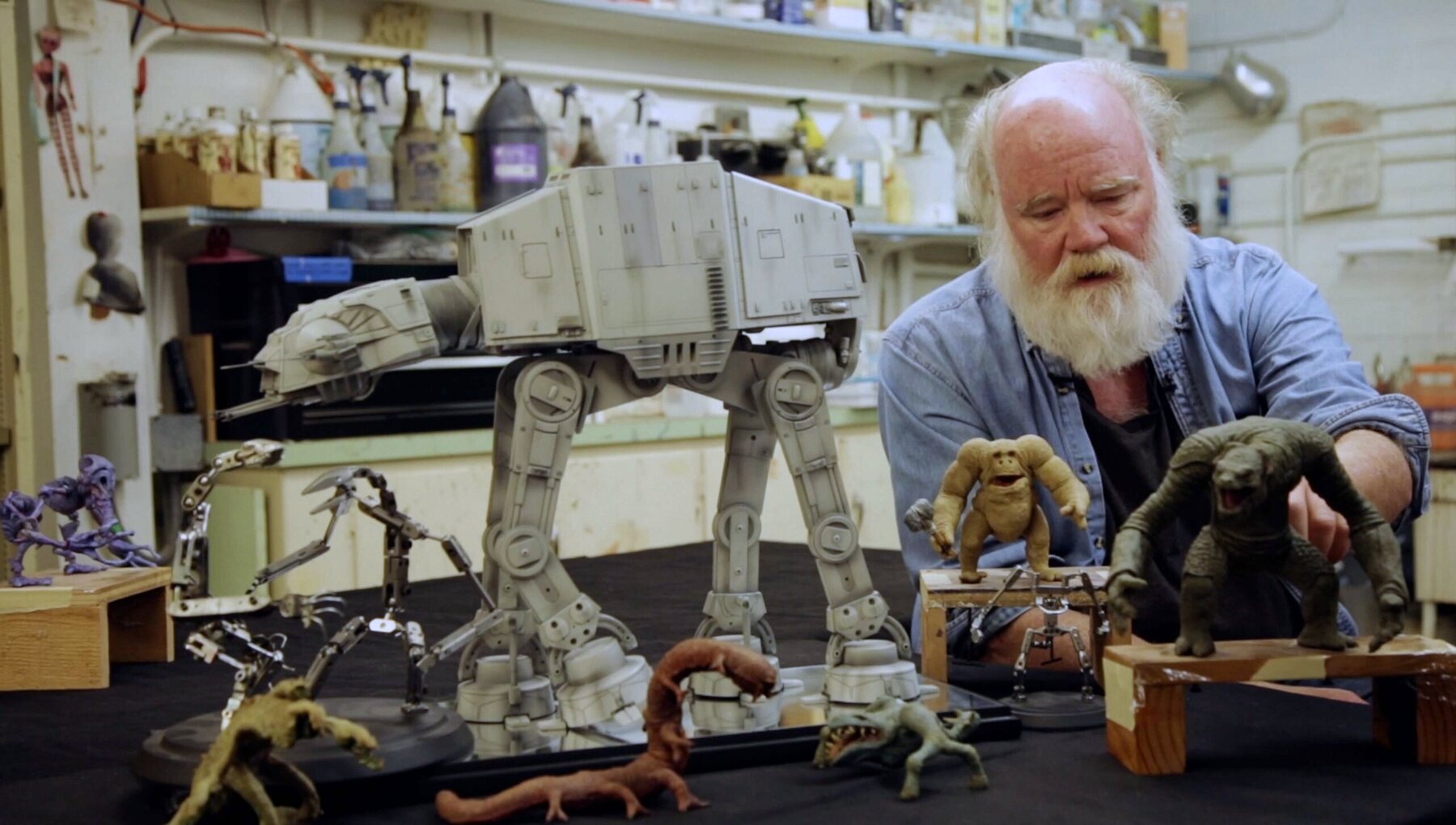
Phil Tippett at his workbench with an AT-AT walker model, creature maquettes and bare armatures.
At the bench: an AT-AT walker, creature maquettes and the bare armatures underneath them.PL 06 · © Phil Tippett · philtippettart.com

Exposure sheet

A career read the way an animator reads a scene: down the page, one entry at a time. Go-motion is the technique Tippett co-developed: see it working further down. won · nominated

Selected career entries with Phil Tippett's role, technique and honours
YearProductionRoleTechniqueAwards
1977
Star Wars
Stop-motion animation (holo-chess)Stop-motion
1980
The Empire Strikes Back
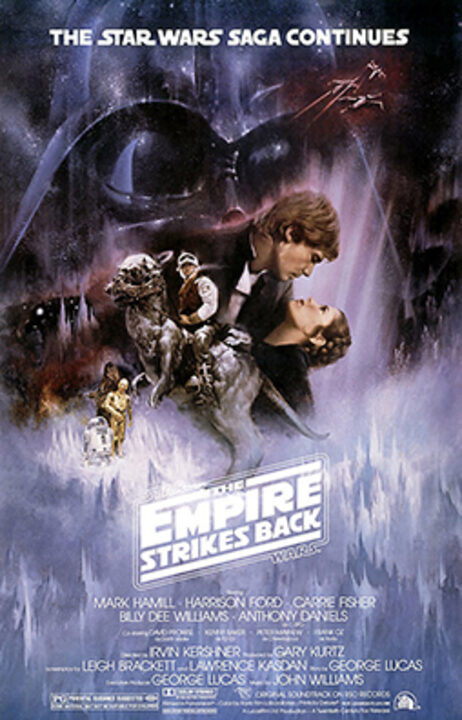
Co-head, ILM animationGo-motion
1981
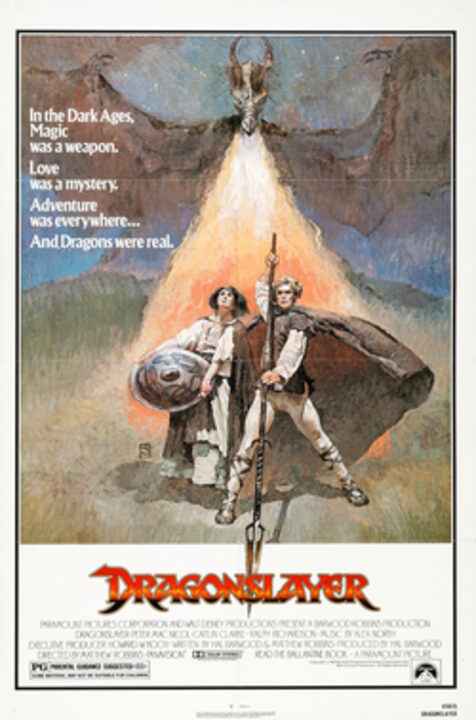
Dragonslayer
Go-motion animationGo-motionOscar nom.
1983
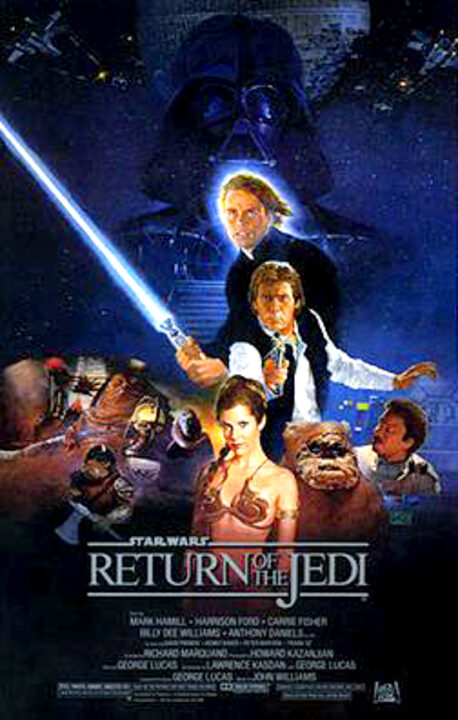
Return of the Jedi
Lucasfilm creature shopCreature designOscar
1984
Tippett Studio
Founded, in his garage—
1985
Dinosaur!
Go-motion dinosaurs (CBS)Go-motionEmmy
1987
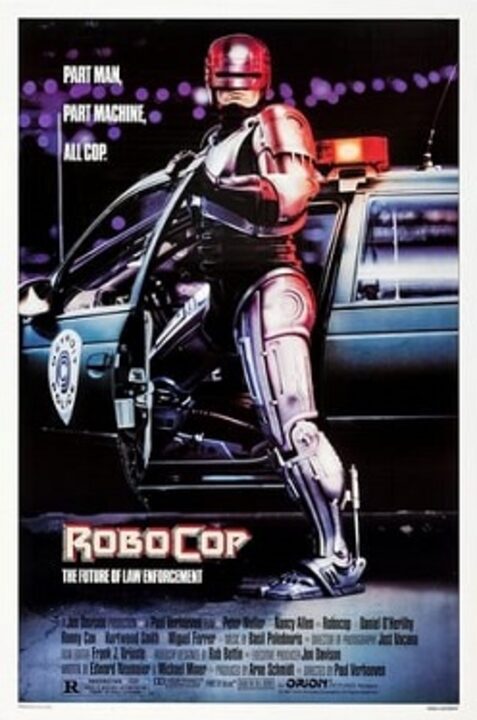
RoboCop
ED-209 animationGo-motionBAFTA nom.
1993
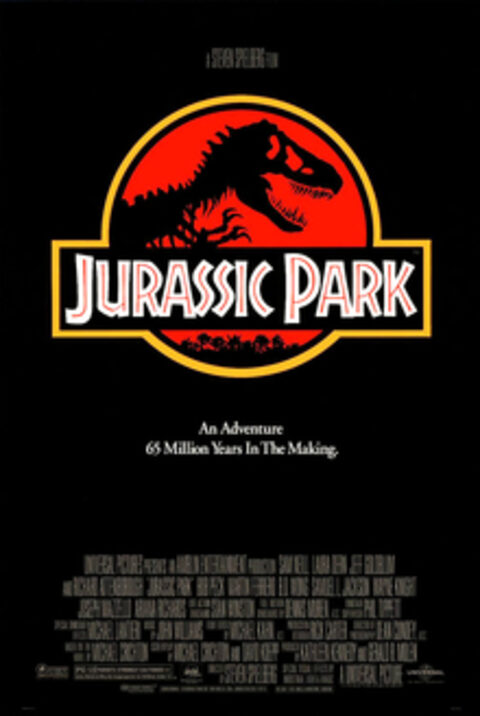
Jurassic Park
Dinosaur supervisorGo-motion → CGOscar · BAFTA
1997
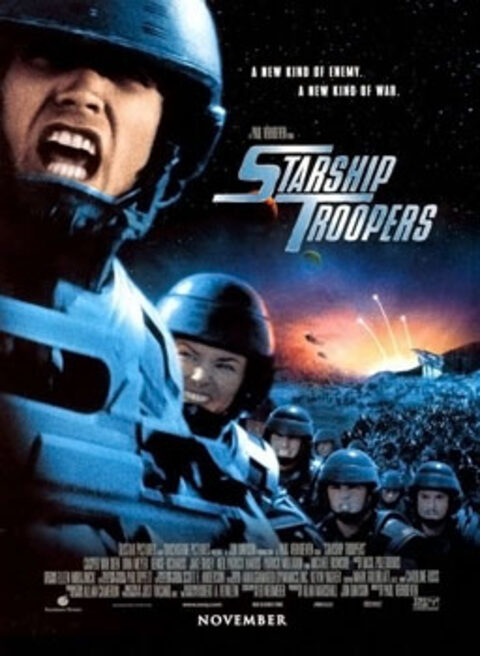
Starship Troopers
Creature visualsCG creaturesOscar nom.
2021
Mad God
DirectorStop-motion
Full filmography: all 34 posters

“I've just become extinct”

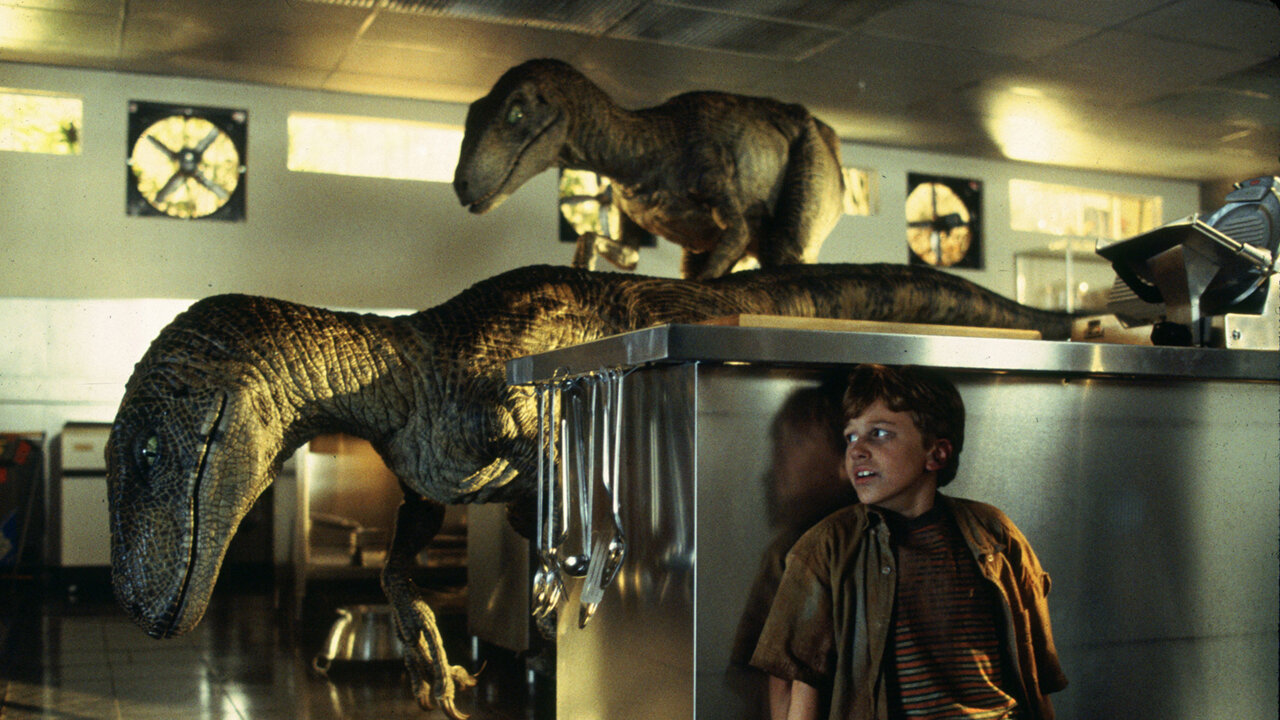
Jurassic Park: two velociraptors stalk the kitchen while a boy hides behind the steel counter.
PL 07 · Jurassic Park (1993) · © Universal Pictures / Amblin · via Tippett Studio

In 1991 Steven Spielberg hired Tippett to bring the dinosaurs of Jurassic Park to life with go-motion. Then a computer-generated test of a T. rex changed the plan, and Tippett was told the dinosaurs would be digital. He reportedly said he had just become extinct.

He stayed on as dinosaur supervisor, directing animators on about fifty shots. At Tippett Studio, Craig Hayes built the Dinosaur Input Device, an armature that let stop-motion hands move a digital creature. The film won Tippett his second Oscar.

Sourced from Wikipedia. Review wording and dates with Phil.
Mad God: thirty years in the dark

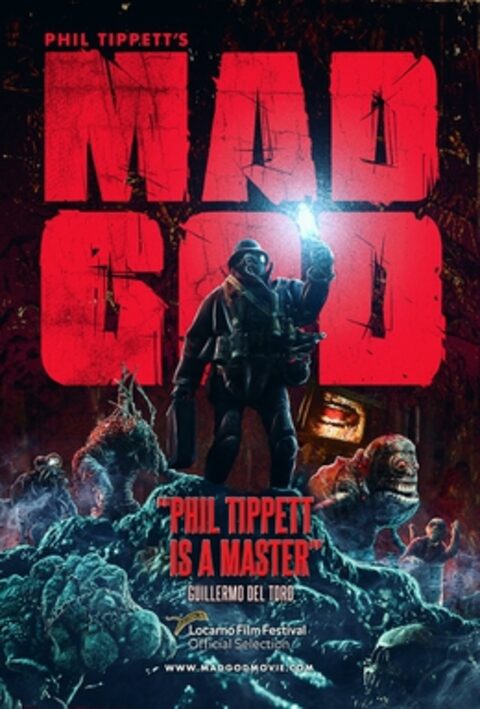
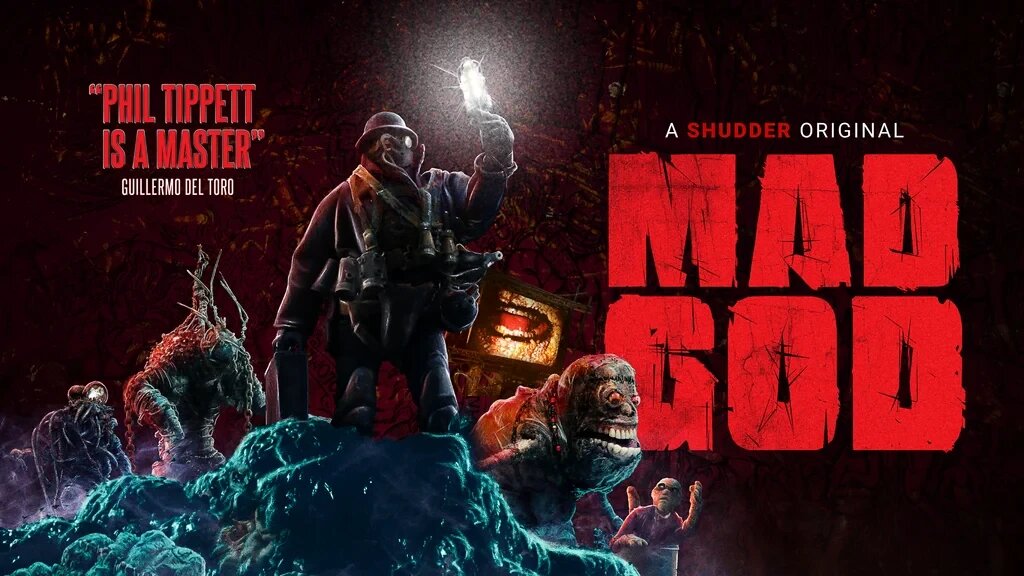
Mad God key art: a gas-masked figure in a long coat stands on a mound of glowing slime, holding up a lamp, with grotesque stop-motion creatures around him and the red title MAD GOD.
PL 08 · Mad God (2021) key art · © Tippett Studio · Shudder

An experimental stop-motion film set in a world of monsters, mad scientists and war pigs. Every set, creature and environment was handcrafted and shot on the Berkeley stage.

Read the full story
  1. 1987 / 1990Begins as a personal project.Sources disagree on the year (1987 or 1990). Confirm with Phil.
  2. 1990sShelved while Tippett Studio grows.
  3. 2010Boxes of shelved puppets resurface, and the work begins again.
  4. 2012Kickstarter raises $124,156 against a $40,000 goal. More than 60 volunteer artists join.
  5. 2021Premieres after roughly thirty years in the making.

Step through a walk

Stop-motion moves a puppet a fraction between exposures, and each frame is a frozen pose. This walker, an original iron-and-brass armature made for this site, takes eight frames to cover one stride, its planted foot locked to the table. Drag the scrubber or use the arrow keys to step through the poses, then play them.Drag the scrubber or tap a frame to step through the poses, then play them. The faint figure is the frame before, the way an animator checks a move.

← → step · Shift jumps 4
Stop-motion: the puppet holds still for each exposure, so every frame is sharp. Played back “on twos” (each pose held for two of film’s 24 frames a second), the poses read as movement with a faint stutter.
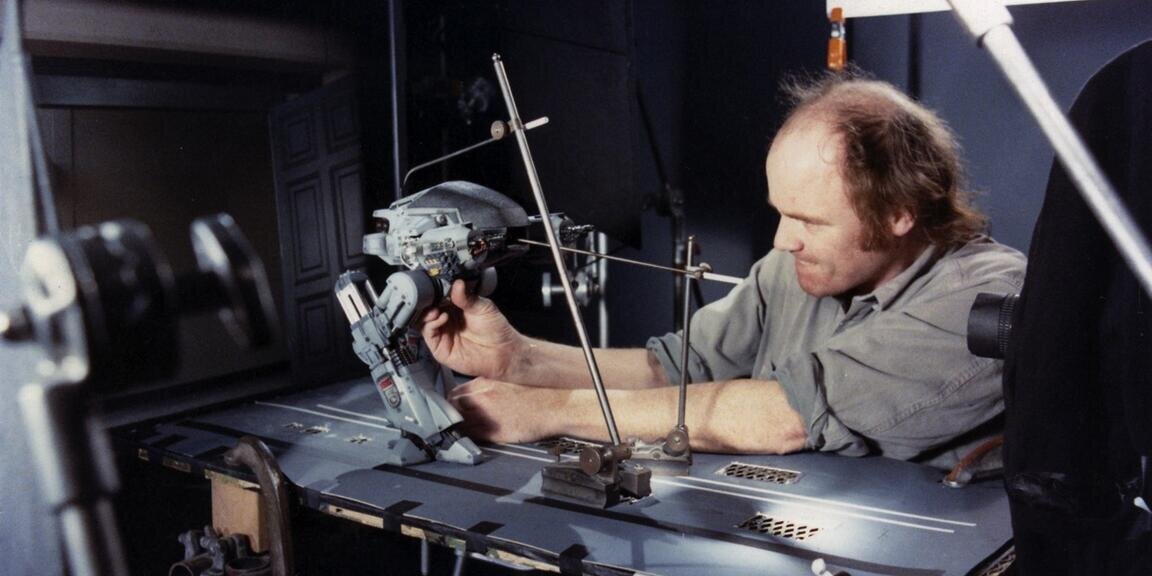
Phil Tippett leans over the animation table, posing the ED-209 puppet held by rods and rigging.
The real thing: Tippett posing the ED-209 puppet for RoboCop (1987), one exposure at a time.PL 09 · RoboCop (1987) · © Orion Pictures · via philtippettart.com

Creatures

All specimens
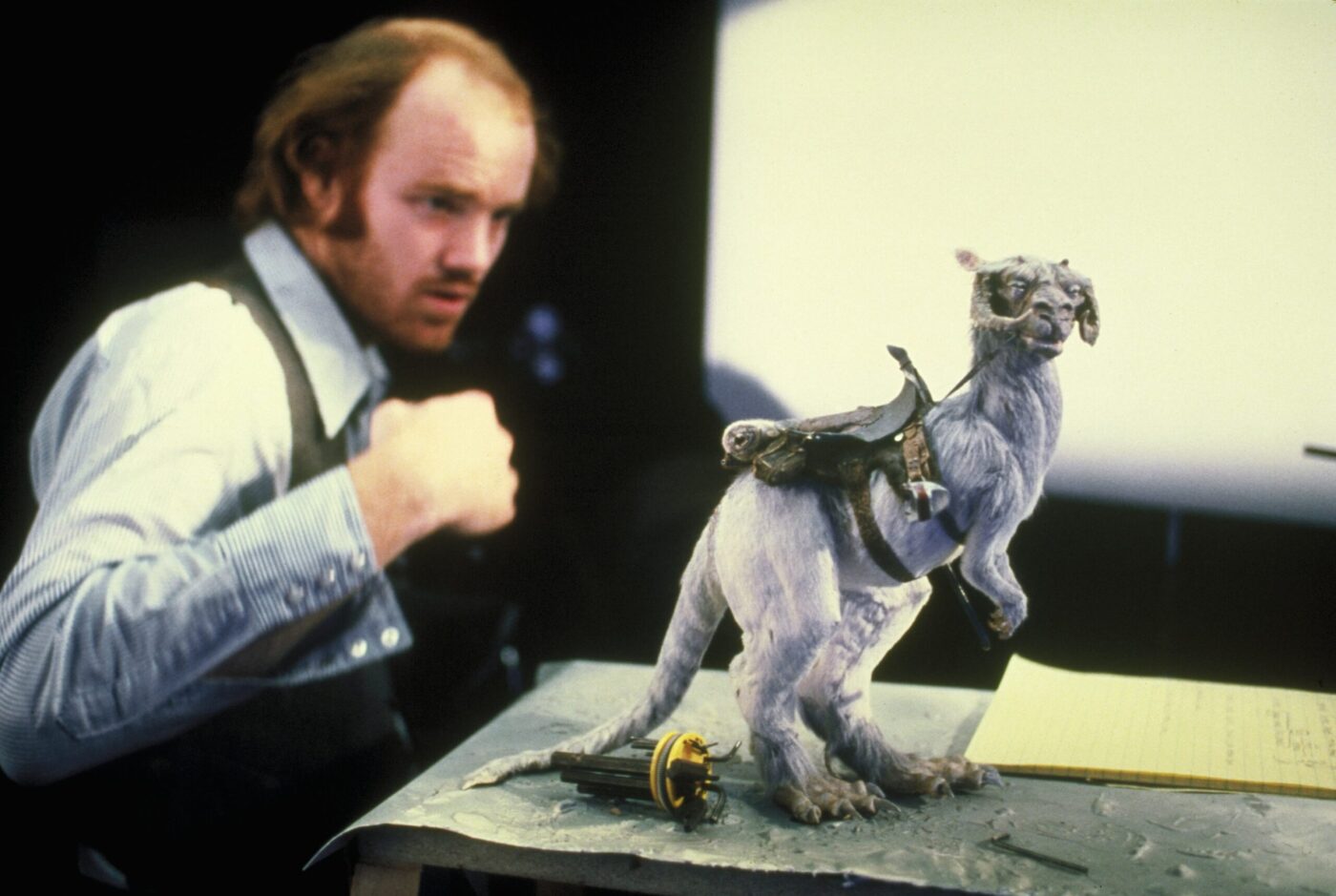
A young Phil Tippett beside the tauntaun puppet on the animation table

Tauntaun

No. TS-0021980

The Empire Strikes Back · Go-motion

© Lucasfilm · via Tippett Studio
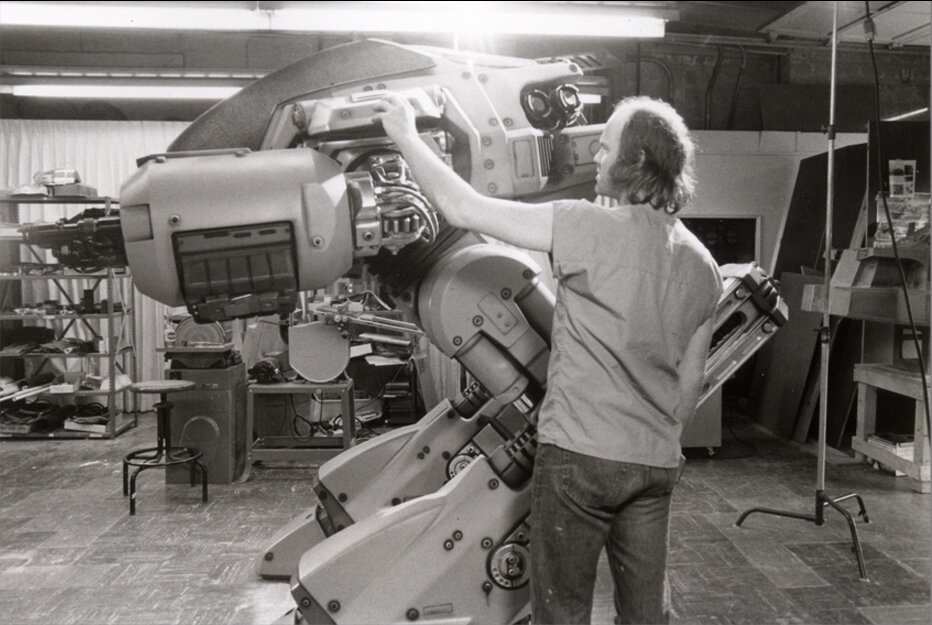
Black-and-white workshop photo of the full-size ED-209 with a crew member at work on it

ED-209

No. TS-0041987

RoboCop · Go-motion

© Orion Pictures · via Tippett Studio
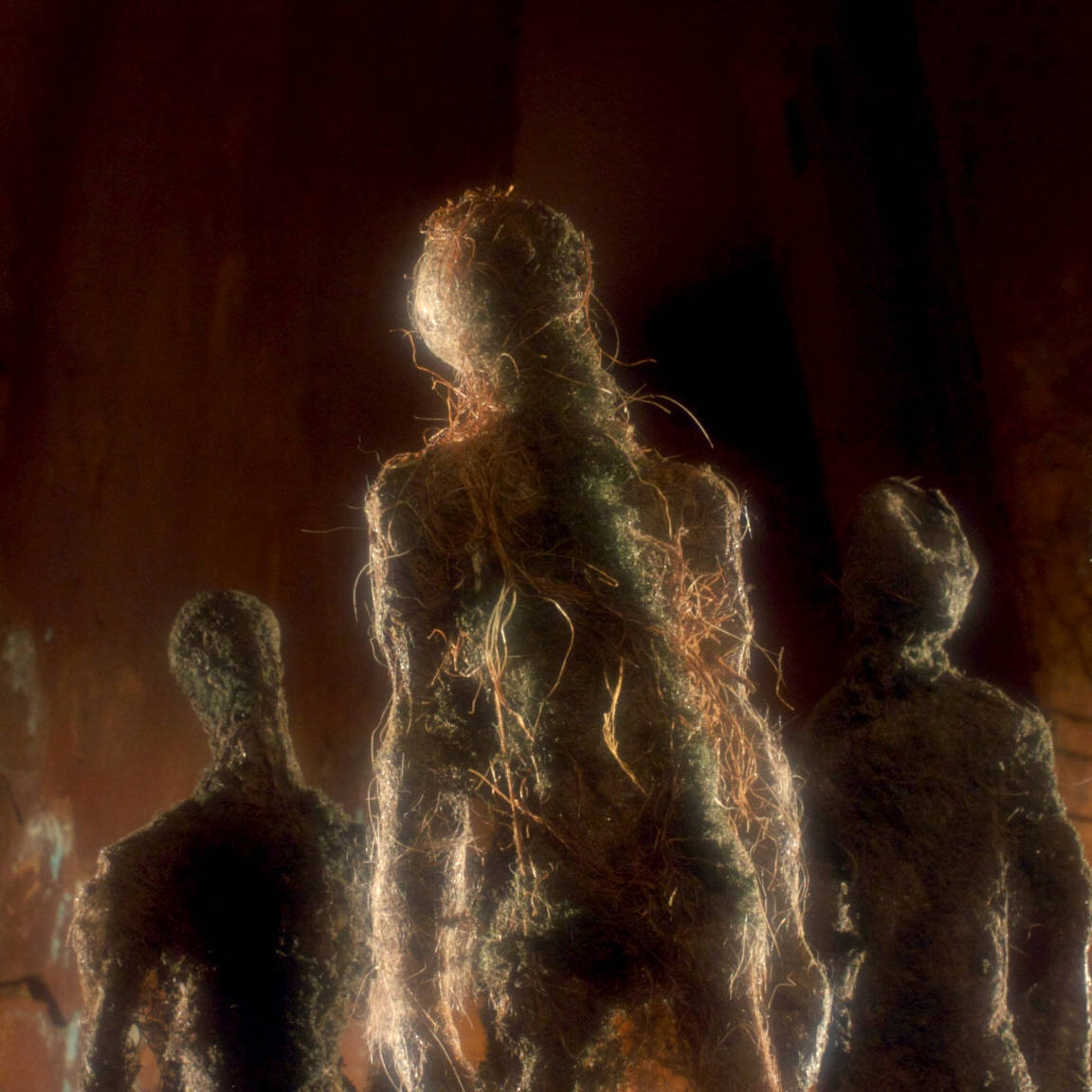
Ghostly, crackling figures from the Mad God VR experience

Mad God VR

No. TS-006VR

MAD GOD VR (OMG) · Stop-motion in VR

© Tippett Studio
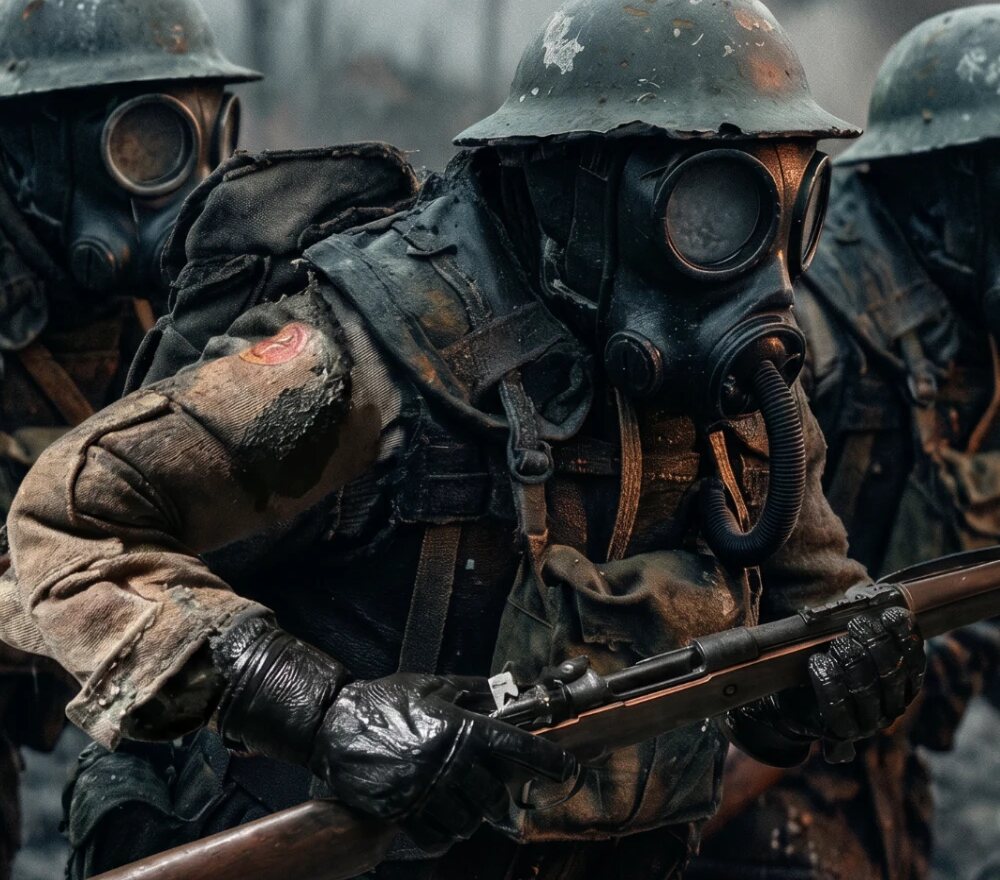
Sentinel: a squad of soldiers in gas masks and battered steel helmets advances through smoke and fire, rifles ready.
PL 10 · Sentinel, in development · image: LOFT

Now: Sentinel

A stop-motion war film, in development. Tippett has said he wants it to hold the whole history of visual effects, from stop-motion to digital and now AI.

Follow Sentinel's progress (opens philtippettart.com)Quote from Variety (2024), via Wikipedia. Confirm wording, the release window, and whether this link stays external, with Phil.
“Allow yourself to go into uncharted territories.”
Phil Tippett